
Burnout: More Than Exhaustion
Burnout is more than just exhaustion—it’s that creeping sense of disengagement, cynicism, and diminished productivity that can sap the life from even the most passionate professionals. I’ve seen it in organizations I work with, and I’ve felt it myself. The usual fixes—like wellness programs or time-off reminders—help, but I’ve learned that the most powerful antidote is often much more personal and dynamic.
How Movement Sparks Creativity
For me, creativity tends to arrive after movement. There’s something about the rhythm of exercise that clears away the mental clutter. During a recent cooldown after circuit training, I experienced a jolt of inspiration. In that moment, I felt compelled to write a short story about my oldest son, Will, who suffered a severe traumatic brain injury (TBI) at age six. He’s been my greatest teacher in resilience and strength—and a big reason I became an exceptional outcomes strategist.
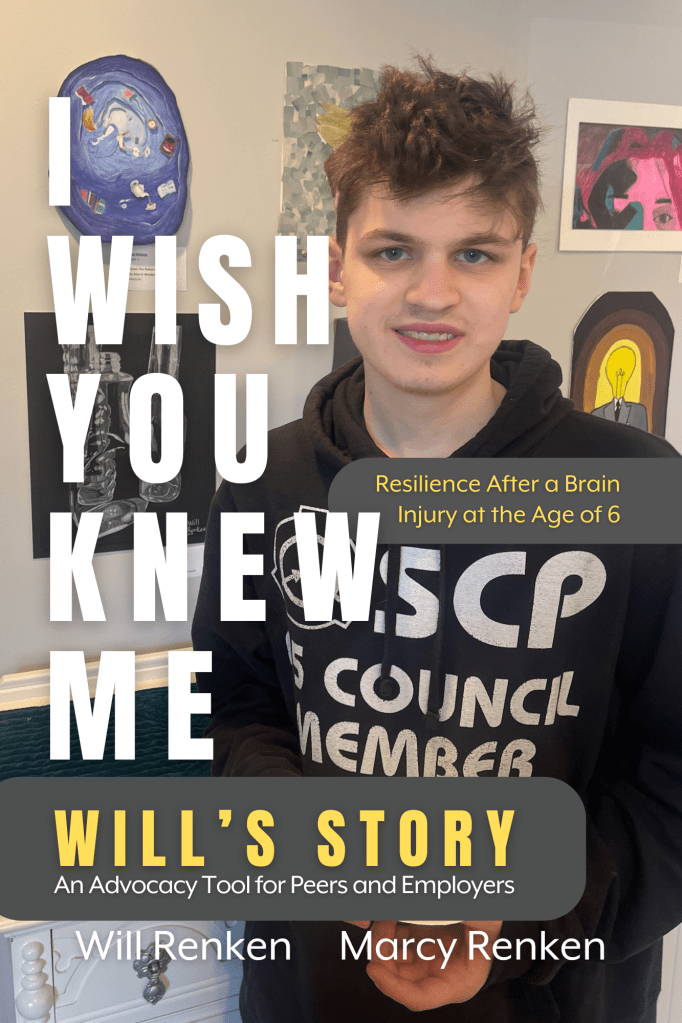
What happened next was remarkable: In just 30 minutes, I drafted I Wish You Knew Me: Will’s Story, a book that guides the reader through his journey of surviving a TBI and how he experiences the world. It even features his own artwork. This project, sparked not at my desk but in the wake of movement, reminded me how creativity can bring clarity to our goals and recharge our energy.
What Research Says About Exercise and Creativity
I’m not alone in this experience. Recent research shows that burnout is at historic highs, with more than three-quarters of employees reporting symptoms in 2025. The top drivers? Overwhelming workloads, blurred boundaries, and a lack of meaningful connection at work. But studies also show that physical activity can be a catalyst for creative thinking and resilience. For example, a 2024 study from the University of Nebraska found that engaging in creative processes and developing creative adaptability can significantly reduce the exhaustion and cynicism associated with burnout. Similarly, research published in the Journal of Intelligence found that employees with lower burnout symptoms maintain creative capacity, suggesting that fostering creativity can help prevent burnout from escalating.
Five Strategies to Foster Creativity and Well-Being
Here are ways organizations can support creativity and well-being:
- Active Breaks: Encourage physical activity during the workday to clear mental clutter and spark new ideas.
- Collaborative Ideation: Make meetings spaces for creative problem-solving, not just status updates.
- Innovation Initiatives: Dedicate time for employees to pursue new ideas and projects they care about.
- Recognition of Bold Thinking: Celebrate experimentation and creative risk-taking, not just outcomes.
- Supportive Work Environment: Prioritize clear communication, manageable workloads, and psychological safety.
Your Challenge: Break the Burnout Cycle
As professionals, we often overlook the power of creativity in our busy lives. This week, I challenge you to take a walk, jot down an idea, or try a new approach to a familiar problem. Burnout thrives in monotony, but creativity—especially when sparked by movement—breaks the cycle.
What will you create today?
References:
- Leone, S.A., University of Nebraska, 2024. Reducing Employee Burnout: The Mediating Role of Creativity.
- J Intell., 2022. Different Facets of Creativity in Employees Covering Non-Clinical to Clinical Manifestations of Burnout.
- DHR Global, 2025. Burnout in the Workplace: What the Latest Research Tells Us.





 Orchestrated Performance
Leave a comment